
Iceland Ring Road for Filmmakers: A 7-Day Route
Cristian Rada · November 3, 2026
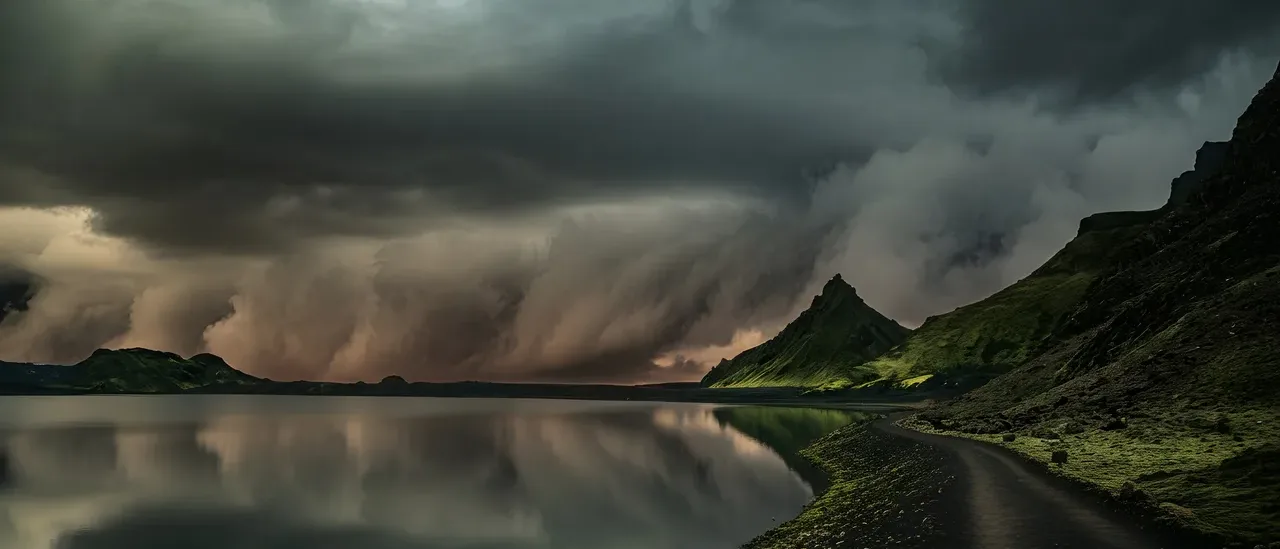

Most Iceland guides are written for people who will look. This one is for people who will shoot, and that changes almost every decision: how many days, in what order, which season, and where you can (and cannot) put a drone in the air.
One note before we start: what follows is a planning route, built from public sources, not a day-by-day log of our own shoot. The work we did there — glaciers, aurora and volcanic fields — is in the video above.
How many days do you need?
The Ring Road, the highway that circles the island, is 1,322 km long, and Visit Iceland describes it as a trip of at least seven days. That is driving and stopping as a tourist.
Filming is slower than sightseeing. A waterfall that takes a visitor twenty minutes asks you to wait for the light, swap lenses and sometimes come back the next day because the weather turned. So if the plan is to shoot, seven days is the minimum and ten is comfortable: the spare days are the ones that save you from a storm.
Day by day: where to stop to film
A seven-day clockwise route, from the most accessible to the most remote:
- Day 1 — Reykjavík and the south coast. Seljalandsfoss, Skógafoss and the black-sand beach at Reynisfjara. The busiest stretch: arrive early.
- Day 2 — Southeast coast. The Jökulsárlón glacier lagoon and Diamond Beach, with ice blocks stranded on dark sand.
- Day 3 — East fjords. Coastal road, low light and very few cars. A good day for driving shots.
- Day 4 — Mývatn and Goðafoss. Volcanic fields, craters and geothermal steam.
- Day 5 — North: Akureyri and the Tröllaskagi peninsula. Mountains falling straight into the fjord.
- Day 6 — West. The Snæfellsnes peninsula, with Mount Kirkjufell, sits off the Ring Road: it is a detour, but worth the day.
- Day 7 — Back to Reykjavík. Buffer to repeat whatever the weather denied you.

When to go, depending on what you want to shoot
- Northern lights: from late August or September to mid-April, on dark nights with clear sky. Commercial sources disagree on the start and end dates; treat them as approximate.
- Midnight sun: from mid-April to mid-August, peaking between late May and mid-July.
- Deep winter: barely four or five hours of usable light in December. Every shot is decided before you leave the hotel.
The working rule: aurora and ice ask for winter; the full road, waterfalls and long light ask for summer. No single season does it all.
Can you fly a drone?
Yes, but with rules. Since December 2024 Iceland has applied a new European regulation (1360/2024): every operator must register at flydrone.is, and drones over 250 g require a certificate, according to the official island.is notice on the new drone regulations.
Up-to-date commercial guides also mention a 120 m height ceiling, a minimum distance from commercial airports and restrictions at heavily visited sites such as Gullfoss, Geysir, Skógafoss and Dyrhólaey. Those details change, and the guides contradict each other: confirm at flydrone.is before you fly. If the flight is commercial, the process differs from recreational use.
What you need to enter, and what it costs
- Entry: Iceland is part of the Schengen area, and Mexican passports can stay up to 90 days within any 180-day period without a visa. The European ETIAS system keeps moving: check the official Europe travel site before you buy the flight.
- Currency: Icelandic króna (ISK). Almost everything is paid by card.
- Cost: there is no honest single figure. It depends on season, car and lodging, and published estimates run from a few hundred to several thousand dollars per person per week, flights excluded.
Gear and logistics: roads and weather
From September to May, passes such as Holtavörðuheiði, Öxnadalsheiði and Möðrudalsöræfi can close in a storm, and the Ring Road breaks with them. Check road conditions every morning at road.is and leave a spare day between your last important shot and the flight home.
In the bag: spare batteries (cold drains them fast), filters, a stable tripod for the wind, and clothing for standing still for hours waiting on light.
What we filmed there
It is what you see in the video above: glaciers, aurora and volcanic fields treated as narrative, not postcard. If you are looking for a filmmaker who can read the light of an extreme destination, see the Iceland project, explore the rest of our nature and travel work, or write to us about your shoot.
More from the studio
More from Destinations
